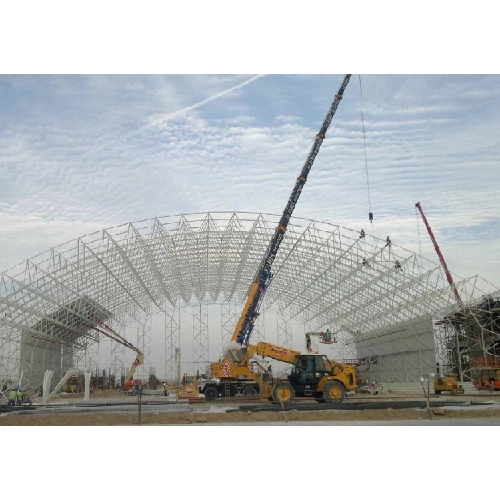
Space Frames have become increasingly popular in modern construction due to their ability to provide large, clear spans with minimal material use. These three-dimensional lattice structures are commonly used in sports arenas, airports, exhibition halls, and industrial buildings, thanks to their efficiency, strength, and flexibility. As the global population increases and urbanization continues, the construction of large and complex buildings has become more common, making the need for durable and safe architectural solutions paramount.
One critical concern in construction, particularly in regions prone to earthquakes, is how well structures can withstand seismic activity. Earthquake-resistant buildings must be able to absorb and distribute seismic forces to prevent failure. This leads to the question: Are Space Frames earthquake-resistant?
In this article, we will dive deep into the seismic performance of Space Frames, exploring their inherent structural features that make them suitable for earthquake-resistant designs. Additionally, we will look at engineering principles that contribute to their ability to perform well during seismic events, as well as how to enhance their performance in earthquake-prone areas.
What Are Space Frames?
Definition and Structure
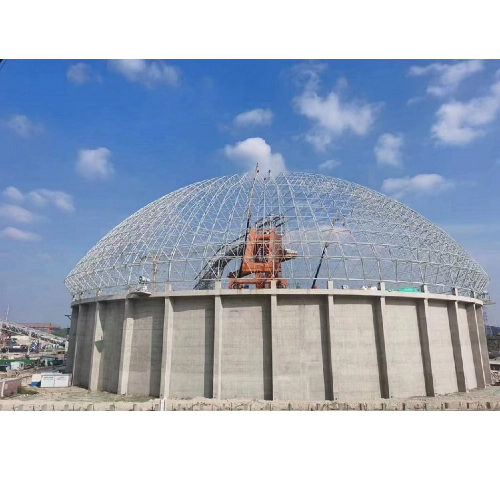
A Space Frame is a three-dimensional structural system made up of interconnected members (such as rods, beams, or struts) that form a rigid, yet flexible, framework. These structural components are typically arranged in triangular or tetrahedral shapes, creating a lattice structure that offers both strength and lightness. The primary benefit of a Space Frame is its ability to distribute forces evenly across its frame, which reduces the chances of localized failure.
Space Frames are often fabricated from materials such as steel, aluminum, or other lightweight yet durable alloys. These materials provide the necessary strength while keeping the overall weight of the structure low. The framework is designed to ensure that loads are shared across multiple paths, providing redundancy and ensuring that if one component fails, the entire structure does not collapse.
Typical Applications of Space Frames
Space Frames are versatile and can be used in a variety of construction projects. The following are some common applications where Space Frames excel:
Sports Stadiums: The large roofs in stadiums require a structure that can span long distances without internal columns. Space Frames offer an efficient and aesthetically pleasing solution for covering vast areas while providing excellent load-bearing capacity.
Airport Terminals: Airports require spacious, open terminals with minimal obstructions. Space Frames allow for large, clear spans in ceilings and roofs, providing flexibility for terminal layouts and offering ample space for passenger flow.
Exhibition Halls: Space Frames are ideal for exhibition halls, where expansive roof spans are necessary to accommodate large crowds and exhibitions. The clear, column-free space they provide ensures flexibility for various event layouts.
Industrial Buildings: Space Frames are often used in factories and warehouses due to their ability to create expansive roof structures without relying on a large number of support columns, allowing for greater floor space and operational flexibility.
Seismic Performance and Engineering Considerations
Understanding Seismic Loads
Seismic loads are the forces that buildings must withstand during an earthquake. These loads result from ground movements, which cause buildings to experience lateral (side-to-side) and vertical (up-and-down) forces. The ability of a building to resist these seismic forces largely determines its structural performance during an earthquake.
Horizontal Forces: When an earthquake occurs, the ground shakes horizontally. These horizontal movements create lateral forces on buildings, which can cause structural displacement and even collapse if not properly resisted.
Vertical Forces: Vertical forces occur when the ground shakes upward or downward. These forces can affect the foundation and the structural integrity of a building. The design of a building must account for both horizontal and vertical seismic loads to ensure overall stability.
Space Frames offer a significant advantage when it comes to resisting seismic loads because their structural design is inherently suited to handle such forces. Understanding how Space Frames interact with seismic forces helps in appreciating their value in earthquake-resistant architecture.
The Role of Space Frames in Seismic Resistance
The design of Space Frames makes them highly efficient at handling seismic forces. Their unique properties, such as their lightweight nature, high strength, and ability to distribute loads across multiple members, make them effective at withstanding the lateral and vertical forces generated by earthquakes.
Distributed Load Bearing: One of the primary advantages of Space Frames is their ability to distribute seismic loads across the entire structure. Each individual strut in a Space Frame bears only a fraction of the load, ensuring that no single component is over-stressed. This evenly spread load distribution minimizes the risk of structural failure during seismic activity.
Flexibility and Strength: While traditional buildings may be rigid and prone to cracking under seismic forces, Space Frames strike a balance between flexibility and rigidity. This allows them to move slightly under the pressure of an earthquake without compromising their structural integrity. The material choice, geometry, and connection methods all contribute to this optimal balance of flexibility and strength.
Lightweight: Due to their lightweight nature, Space Frames reduce the mass of the building. This is crucial because the amount of seismic force a building generates is directly proportional to its mass. With less mass to resist seismic forces, Space Frames require less energy to absorb the shaking, making them more efficient in earthquake-prone regions.
Are Space Frames Earthquake-Resistant?
Engineering Principles Behind Seismic Resistance
Space Frames possess several engineering qualities that make them particularly well-suited for earthquake resistance. These qualities include:
Triangulation: The triangulated design of Space Frames ensures that forces are distributed evenly across the structure. Unlike traditional rectangular structures, where forces are concentrated at certain points, the triangular shape allows for an efficient transfer of seismic forces throughout the frame. This reduces the likelihood of failure at any single point.
Flexibility: Space Frames are designed to allow for a certain amount of movement, or flexibility, during an earthquake. This is crucial because rigid structures may crack or collapse under the pressure of seismic forces. The flexibility of Space Frames allows them to absorb some of the energy from the earthquake and redistribute it safely throughout the structure.
Redundancy: Redundancy in Space Frame design ensures that if one component fails, others will take on the load. This makes the structure more resilient to earthquakes because failure in one area doesn’t necessarily lead to complete collapse. The interconnected nature of the frame offers multiple load paths, which increases the overall reliability of the structure.
Comparison with Other Building Structures
When comparing Space Frames to other traditional building systems, such as concrete or steel-frame buildings, Space Frames offer a significant advantage in earthquake resistance. Below is a comparison of key structural features:
Feature | Space Frame | Traditional Steel Frame | Concrete Frame |
Flexibility | High | Moderate | Low |
Load Distribution | Excellent | Good | Fair |
Weight | Light | Heavy | Heavy |
Resistance to Lateral Movement | High | Moderate | Low |
Cost-Effectiveness | High | Moderate | Low |
As the table indicates, Space Frames excel in flexibility, load distribution, and resistance to lateral movement—all key factors in earthquake resilience. Their lightweight structure further contributes to their seismic performance, making them a superior choice compared to traditional building methods.
Enhancing the Seismic Performance of Space Frames
Engineering Improvements
While Space Frames are already strong in seismic performance, advancements in materials and structural engineering continue to improve their earthquake resistance. Here are some ways Space Frames can be enhanced for better seismic performance:
High-Strength Steel: Using high-strength steel or advanced materials can further improve the load-bearing capacity of the Space Frame, making it capable of withstanding more severe seismic forces.
Joint Reinforcements: Strengthening the joints and connections between components can prevent failure at these critical points. Innovations in joint design can ensure that the frame remains intact even during extreme seismic events.
Seismic Dampers: Seismic dampers, such as viscous dampers or friction dampers, can be incorporated into Space Frames to absorb seismic energy. These dampers reduce the amount of energy transmitted through the structure, further protecting the building from damage.
Seismic Retrofitting of Space Frames
For older Space Frame buildings, retrofitting is an effective way to enhance their seismic performance. Common retrofitting techniques include:
Additional Bracing: Adding braces or additional supports to the frame can improve lateral stability and increase resistance to horizontal seismic forces.
Material Upgrades: Replacing outdated materials with modern, more flexible and durable options can increase the structure’s earthquake resistance.
Strengthening Foundations: Reinforcing the foundation and the connections to the ground can prevent the building from shifting during an earthquake, ensuring that the entire structure remains stable.
Conclusion
Space Frames are inherently earthquake-resistant thanks to their innovative design that efficiently distributes seismic loads. Their lightweight structure, combined with excellent load distribution and flexibility, makes them an ideal choice for buildings in earthquake-prone regions. While no building can be considered entirely earthquake-proof, Space Frames offer a highly effective solution for minimizing seismic risks.
At Jiangsu Lianfang Steel Structure Engineering Co., Ltd., we are committed to providing high-quality Space Frame solutions tailored to the specific needs of each project. Our engineering expertise, advanced materials, and dedication to continuous innovation ensure that our Space Frame designs offer exceptional seismic resistance and durability. With our years of experience in steel structure engineering, we are well-equipped to deliver robust, safe, and efficient structural solutions that stand the test of time.
If you are looking for reliable and earthquake-resistant building solutions, we invite you to contact us for more information. Let us help you design structures that offer both safety and aesthetic value, providing peace of mind in the face of seismic challenges.
FAQ
1. What makes Space Frames earthquake-resistant?
Space Frames are earthquake-resistant due to their triangulated structure, which efficiently distributes seismic forces, and their flexibility, which allows them to absorb and dissipate energy during an earthquake.
2. Can Space Frames be used in earthquake-prone areas?
Yes, Space Frames are ideal for use in earthquake-prone areas because of their seismic resistance, ability to distribute loads efficiently, and flexibility under seismic stress.
3. How do Space Frames compare to traditional building structures in earthquake resistance?
Compared to traditional concrete or steel-frame buildings, Space Frames offer better flexibility and load distribution, making them more resilient to seismic forces.
4. Can Space Frames be retrofitted for better earthquake resistance?
Yes, Space Frames can be retrofitted with additional seismic-resistant measures such as strengthening joints, adding braces, and using advanced materials to improve their earthquake performance.

