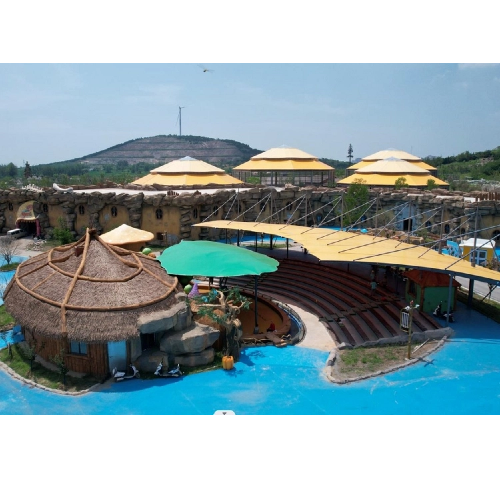
Space Frames are a popular structural solution used in large-span architecture, offering a combination of strength, flexibility, and cost-effectiveness. These structures are often chosen for their ability to cover vast areas with minimal material usage, making them ideal for applications such as sports stadiums, airports, and exhibition halls. However, the cost per square meter of Space Frames can vary significantly depending on several factors. Understanding these factors is crucial for optimizing both the design and construction costs of Space Frame projects.
In this article, we will explore the key elements that influence the cost of Space Frames, including material selection, design complexity, labor costs, and other site-specific factors. By understanding these variables, developers and engineers can make informed decisions to ensure that the project remains cost-effective without compromising on structural integrity or design aesthetics.
What are Space Frames?
Definition and Structure
A Space Frame is a three-dimensional framework made up of interconnected struts and nodes that form a rigid yet lightweight structure. These components are typically arranged in triangular, square, or tetrahedral patterns, creating a highly efficient and stable system. Space Frames are known for their ability to distribute loads evenly across the structure, which allows for large spans with fewer supporting elements.
Space Frames are commonly constructed from materials like steel, aluminum, and stainless steel, depending on the specific requirements of the project. The geometry of the frame can be customized to suit the needs of the building, allowing for a wide range of shapes and designs.
Common Applications of Space Frames
Space Frames are used in a variety of construction projects due to their ability to span large areas with minimal internal supports. Some of the most common applications include:
Sports Stadiums: Large roofs in stadiums benefit from the lightweight and high-strength properties of Space Frames, allowing for vast open spaces without interior columns.
Airport Terminals: The open, column-free spaces provided by Space Frames make them ideal for airport terminal designs, where flexibility and efficient space usage are essential.
Exhibition Halls: Large spans are required to accommodate exhibitions and large events, making Space Frames an ideal choice for creating large, unobstructed spaces.
Industrial Buildings: Factories and warehouses require large roof spans for operations, and Space Frames offer a cost-effective and structurally sound solution for such needs.
Key Factors Affecting the Cost per Square Meter of Space Frames
Several factors influence the cost of Space Frames, and understanding these can help ensure that a project stays within budget. Below are the key considerations:
Material Costs
The choice of materials plays a significant role in determining the overall cost of a Space Frame project. The material used for the frame impacts both the initial cost and the long-term durability of the structure.
Material | Advantages | Impact on Cost |
Steel | Strong, durable, and cost-effective | Steel is often the most cost-effective material, but can be heavier. |
Aluminum | Lightweight and resistant to corrosion | More expensive than steel but offers better resistance to environmental factors. |
Stainless Steel | Highly resistant to corrosion and staining | The most expensive material, but highly durable and suitable for corrosive environments. |
Steel: Steel is the most commonly used material for Space Frames due to its strength and cost-effectiveness. It is widely available and can be used in a variety of applications. However, steel is also heavier than aluminum, which may lead to higher costs in terms of transportation and installation.
Aluminum: Aluminum is lightweight and resistant to corrosion, making it an excellent choice for Space Frames in environments prone to moisture or saltwater. While it offers better longevity and less maintenance, aluminum is typically more expensive than steel.
Stainless Steel: Stainless steel is highly durable and resistant to corrosion, making it an ideal choice for coastal or industrial environments. However, it is the most expensive material and may increase the overall cost per square meter.
The material selection should take into account the environmental conditions, structural requirements, and budget to find the most cost-effective solution.
Design Complexity
The complexity of the Space Frame design significantly affects the cost per square meter. More intricate designs require additional engineering, fabrication, and installation time, which can increase overall project costs. Some design elements that can affect complexity include:
Geometry: The more complex the geometric shape, the higher the cost. Custom-designed frames with unique angles and curves require more precise engineering and fabrication, leading to increased costs.
Size and Span: Larger spans generally require more material and labor to fabricate and install. The size of the frame, in terms of both height and width, will directly affect the cost.
Custom Features: Incorporating unique features such as decorative elements, skylights, or multi-tiered levels can also increase the design complexity and, consequently, the cost.
Size and Span of the Structure
The size of the Space Frame and the span it is intended to cover directly impact the material and labor costs. Larger structures require more components and labor for assembly, resulting in higher costs. Additionally, the greater the span, the more material is needed to ensure the frame remains stable and functional.
Factor | Impact on Cost |
Small-Scale Projects | Lower material and labor costs due to smaller spans. |
Large-Scale Projects | Increased material usage, labor, and installation time. |
For example, a small exhibition hall may have relatively low costs per square meter compared to a large sports stadium, where the span of the roof requires additional material and labor.
Labor and Fabrication Costs
Labor costs are another significant factor in the overall price of a Space Frame project. These costs depend on several factors:
Design and Engineering: More complex designs require more time and expertise to engineer, increasing the cost.
Fabrication: The process of manufacturing the components of the Space Frame requires skilled labor and specialized equipment. More intricate designs and larger frames may increase fabrication costs.
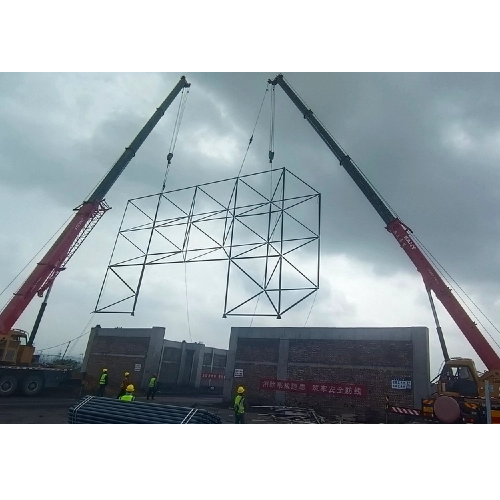
Installation: The complexity of the installation also impacts the cost. For example, a structure that requires assembly at a significant height or in a difficult-to-reach area may result in higher labor costs.
Installation and Maintenance Costs
The installation process for Space Frames can also influence the cost per square meter. Some factors that impact installation costs include:
Site Accessibility: If the installation site is difficult to access, additional transportation and equipment may be required, increasing costs.
Foundation Requirements: The foundation needs to support the Space Frame and, depending on the soil conditions and design, may require additional engineering and construction work.
Maintenance Costs: Space Frames, especially those made from steel or other corrosion-prone materials, require regular maintenance to prevent rust and degradation. Coatings or other protective treatments may be necessary to maintain the structural integrity of the frame over time.
How Location Affects the Cost of Space Frames
Regional Material Availability
The availability of materials plays a critical role in determining the cost of Space Frames. Shipping materials from distant suppliers can add significant transportation costs. Conversely, sourcing materials locally can reduce costs, especially if the region has a readily available supply of materials like steel or aluminum.
Location Factor | Impact on Cost |
Local Material Availability | Reduced transportation costs, leading to lower project costs. |
Remote Locations | Increased transportation costs, leading to higher prices for materials. |
Local Regulations and Standards
Each region has its own building codes and regulations that must be followed during construction. These regulations can affect the design, material selection, and installation processes. Stricter regulations can increase the cost of compliance, as additional work may be needed to meet specific standards.
Site Conditions and Accessibility
The site conditions, such as terrain, weather, and accessibility, also affect the cost of installation. If the site is challenging, additional resources and labor will be required to ensure the Space Frame is safely and efficiently installed. For example, difficult-to-reach areas or challenging weather conditions can slow down the installation process and increase overall costs.
How to Optimize Costs for Space Frame Projects
Choosing the Right Materials
The right material selection can significantly reduce the cost of Space Frames. For instance, opting for galvanized steel or using locally sourced aluminum can lower the material cost without compromising the strength and durability of the frame. Understanding the environmental conditions and structural needs will help optimize material choices.
Streamlining the Design Process
Collaborating with experienced engineers and designers can streamline the design process. By keeping the design simple and functional, unnecessary complexities can be avoided, resulting in lower engineering and fabrication costs.
Efficient Project Management
Effective project management is key to reducing costs. Proper planning, scheduling, and communication can prevent delays and optimize resource allocation, ensuring the project stays within budget.
Conclusion
The cost of a Space Frame per square meter is influenced by several factors, including material selection, design complexity, size, and labor costs. By carefully considering and optimizing these factors, developers can significantly reduce overall project costs while ensuring the structural integrity and aesthetic appeal of the Space Frame.
At Jiangsu Lianfang Steel Structure Engineering Co., Ltd., we specialize in providing high-quality, cost-effective Space Frame solutions. Our team of experienced engineers works closely with clients to optimize material choices and streamline the design process, ensuring that each project is both affordable and durable. Whether you're planning a large-span structure or a custom design, we are committed to delivering the best value without compromising on quality.
If you're looking for reliable Space Frame solutions, we invite you to contact us to learn more about how we can help bring your project to life with efficiency and precision. Let us assist you in creating structures that are not only cost-effective but also strong, sustainable, and visually stunning.
FAQ
1. What are the most common materials used in Space Frames?
The most common materials used in Space Frames are steel, aluminum, and stainless steel. The choice of material impacts the cost, durability, and overall performance of the structure.
2. How does the design complexity of a Space Frame impact its cost?
A more complex design, with intricate geometry and custom features, requires more time and resources for engineering, fabrication, and installation, leading to higher costs.
3. Does the size of the Space Frame affect its cost?
Yes, larger Space Frames require more materials and labor for fabrication and installation, making the cost per square meter higher for larger spans.
4. How can I reduce the cost of a Space Frame project?
Optimizing material selection, streamlining the design process, and managing the project efficiently can help reduce the overall cost. Working with experienced professionals is key to achieving cost-effective solutions.

