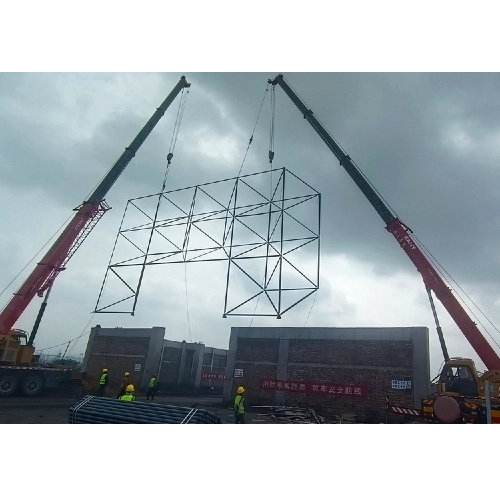
Space Frames are widely recognized for their strength, versatility, and ability to span large areas without the need for interior columns. These three-dimensional structures, made up of interconnected struts and nodes, are used in a variety of applications, such as sports stadiums, airports, and exhibition halls. One of the most critical decisions when designing a Space Frame is whether to choose a single-layer or double-layer configuration.
Both single-layer and double-layer Space Frames have their own set of advantages and limitations. Choosing the right type depends on various factors, including the scale of the project, load requirements, design complexity, and budget constraints. In this article, we will explore the differences between single-layer and double-layer Space Frames, the factors that affect the choice, and the best applications for each type.
What Are Space Frames?
Definition and Structure
A Space Frame is a three-dimensional framework composed of struts and nodes, forming a rigid, yet lightweight, structure. These components are connected at their ends to create a network of interlocking elements that distribute loads across the entire frame. Space Frames are ideal for large-span buildings, offering significant structural strength with minimal material use.
Space Frames can be made from various materials, such as steel, aluminum, and stainless steel, depending on the project’s needs. The geometry of the frame can be customized to suit the specific requirements of a building, allowing for both functional and aesthetic flexibility.
Common Applications of Space Frames
Space Frames are used in a wide range of architectural applications due to their ability to span large areas without internal supports. Some of the most common uses include:
Sports Stadiums: Large, column-free roofs for stadiums benefit from the strength and lightweight design of Space Frames.
Airport Terminals: Space Frames are ideal for creating large open spaces with minimal internal supports, allowing for flexible terminal layouts.
Exhibition Halls: With the need for clear spans and unobstructed areas, Space Frames offer an efficient solution for large exhibition spaces.
Industrial Buildings: Factories and warehouses with expansive roof areas also make use of Space Frames to provide large spans and structural strength.
Single-Layer Space Frames
Definition and Structure
A single-layer Space Frame is made up of a single plane of interconnected struts and nodes. These components are arranged in a pattern, typically triangular or square, to form a rigid framework that distributes loads across the structure. Single-layer Space Frames are relatively simple in design and are often used for smaller projects or buildings with less demanding structural requirements.
Benefits of Single-Layer Space Frames
Benefit | Explanation |
Cost-Effectiveness | Single-layer frames are generally more affordable to design, fabricate, and install. |
Simpler Design | These structures are easier to engineer and fabricate, making them suitable for straightforward projects. |
Lightweight and Efficient | With fewer materials used, single-layer frames are lighter and more efficient for small to medium spans. |
Cost-Effective: Single-layer Space Frames are often more affordable because they require fewer materials and less complex engineering. This makes them an ideal choice for smaller projects or when budget constraints are a primary concern.
Simpler Design: The design of a single-layer Space Frame is straightforward, with fewer components and simpler connections between nodes and struts. This simplicity reduces both design time and construction costs.
Lightweight and Efficient: Because single-layer frames use less material, they are lighter and more efficient compared to double-layer frames. This can be particularly advantageous when working with smaller spans that do not require the additional strength provided by double-layer structures.
Limitations of Single-Layer Space Frames
While single-layer Space Frames are suitable for many applications, they do have limitations, especially for large-scale or high-load projects.
Limited Span: Single-layer frames are generally not suitable for very large spans. The structural capacity of a single-layer frame is limited by the material strength and the design of the frame itself. For projects requiring larger spans, the single-layer design may not provide the necessary support.
Lower Stability: Single-layer frames may not offer as much stability under dynamic loads (such as high winds or seismic activity) compared to double-layer frames. This makes them less ideal for projects located in areas with frequent storms or earthquakes.
Double-Layer Space Frames
Definition and Structure
A double-layer Space Frame consists of two parallel layers of struts and nodes, with each layer interconnected at various points. The two layers create a more robust structure, offering increased strength and stability compared to single-layer frames. Double-layer Space Frames are often used for larger spans and more complex designs.
Benefits of Double-Layer Space Frames
Benefit | Explanation |
Increased Strength and Stability | Double-layer frames provide better load distribution, making them ideal for large spans and heavy loads. |
Larger Spans | Suitable for projects requiring wider roof spans, such as stadiums and exhibition halls. |
Design Flexibility | The additional layer allows for more complex geometric shapes and architectural design possibilities. |
Increased Strength and Stability: The primary advantage of double-layer Space Frames is their enhanced strength and stability. The two layers allow for better load distribution, making these frames ideal for large spans and high-load applications.
Larger Spans: Double-layer Space Frames can handle significantly larger spans compared to their single-layer counterparts. This makes them the preferred choice for large-scale buildings such as sports arenas, airports, and exhibition halls.
Design Flexibility: The additional layer provides more flexibility in terms of geometric shapes and aesthetic design. Architects can use the extra structural depth to create more complex and visually appealing forms.
Limitations of Double-Layer Space Frames
While double-layer Space Frames offer many advantages, they are more expensive and complex than single-layer frames.
Higher Cost: Double-layer frames are more expensive due to the increased amount of material, labor, and engineering required. The fabrication process is also more complicated, which leads to higher installation costs.
Complexity in Design and Installation: The design and construction of double-layer Space Frames require a higher level of expertise. These frames involve more intricate geometry and the need for specialized labor, which can increase the overall cost and time required for the project.
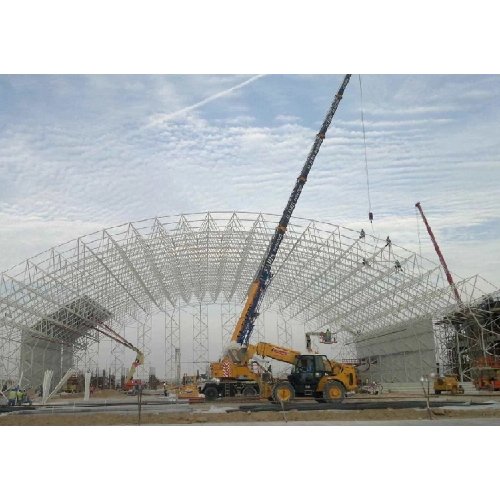
Key Factors to Consider When Choosing Between Single-Layer and Double-Layer Space Frames
Project Size and Span
The size of the project and the required span is one of the most significant factors when deciding between a single-layer and double-layer Space Frame. Single-layer frames are ideal for smaller spans and less demanding projects, while double-layer frames are better suited for larger structures that require greater load-bearing capacity and stability.
Load Requirements
Load-bearing capacity is another crucial consideration. Double-layer Space Frames excel in situations where heavy loads are expected, such as in stadiums or industrial buildings with large roof areas. Single-layer frames may not provide the same level of support for heavy loads, making them less suitable for high-load projects.
Budget Constraints
Budget is often a key factor in the decision-making process. Single-layer frames are generally more cost-effective, which makes them an attractive option for smaller projects or when working with tight budgets. However, for larger or more complex projects, the additional cost of double-layer frames may be justified by the enhanced strength, stability, and design flexibility they provide.
Aesthetic Considerations
Design flexibility is another important factor, especially for projects that require unique or visually striking designs. Double-layer Space Frames offer more opportunities for creative and architectural designs, allowing for more complex shapes and larger, more impressive structures.
How to Optimize the Design and Cost of Space Frames
Collaborative Design Process
To optimize both the design and cost of Space Frames, it is crucial to work closely with experienced engineers and architects. Early collaboration can help simplify the design process, streamline the choice of materials, and reduce unnecessary complexity.
Material Selection and Sourcing
The selection of materials plays a significant role in both the cost and performance of a Space Frame. Choosing materials that meet the structural requirements while staying within budget is essential. Local sourcing of materials can also reduce transportation costs.
Efficient Project Management
Effective project management is key to ensuring that Space Frame projects stay within budget and on schedule. By coordinating timelines, resources, and labor effectively, the risk of delays and cost overruns can be minimized.
Conclusion
Choosing between a single-layer and double-layer Space Frame depends on key factors such as project size, load requirements, budget, and aesthetic preferences. Single-layer Space Frames are ideal for smaller, less complex structures, offering cost-effective and straightforward solutions. On the other hand, double-layer Space Frames provide enhanced strength, stability, and greater design flexibility, making them better suited for larger, more demanding projects with higher load-bearing needs.
At Jiangsu Lianfang Steel Structure Engineering Co., Ltd., we specialize in designing and manufacturing both single-layer and double-layer Space Frames, tailored to meet the unique requirements of each project. By working closely with our experienced engineers and designers, we help our clients optimize their Space Frame structures for both performance and cost-efficiency.
Whether you're working on a small-scale project or a large, complex building, we offer customized solutions that ensure durability, functionality, and aesthetic appeal. If you're looking for expert guidance on Space Frame selection and design, we invite you to contact us to learn more about how we can help bring your vision to life. Let us help you make the best choice for your next project.
FAQ
1. What is the primary difference between single-layer and double-layer Space Frames?
Single-layer Space Frames are simpler, cost-effective structures that are ideal for smaller spans and lower load requirements. Double-layer Space Frames, with their two layers, offer more strength, stability, and design flexibility, making them suitable for large spans and high-load projects.
2. Are double-layer Space Frames always more expensive than single-layer frames?
Yes, double-layer frames are generally more expensive due to the additional material, complexity in design and fabrication, and longer installation time.
3. When should I use a single-layer Space Frame instead of a double-layer?
Single-layer Space Frames are ideal for smaller projects where large spans and heavy loads are not required. They are more affordable and quicker to design and install.
4. Can double-layer Space Frames be used for aesthetic designs?
Yes, double-layer Space Frames offer more flexibility for creative and intricate architectural designs, making them a great choice for visually striking buildings that require larger spans and unique shapes.

