
Steel structures are widely used in the construction of large-span buildings due to their strength, durability, and versatility. However, in coastal areas, steel structures face a major challenge: corrosion. The constant exposure to salty air, high humidity, and harsh weather conditions significantly accelerates the rusting and degradation of steel.
This article explores the critical importance of corrosion protection for steel structures, especially Space Frames, in coastal environments. Space Frames are particularly popular for large-scale construction projects, but their steel components can suffer from corrosion if not properly protected. We'll look at the challenges these structures face, the methods for protecting them, and how Space Frames can be designed to withstand the unique conditions of coastal areas.
Why Corrosion Protection is Crucial for Steel Structures in Coastal Areas
The Impact of Saltwater on Steel Structures
Saltwater is one of the most damaging environmental factors for steel structures, especially in coastal regions. The high concentration of salts in the air, combined with the moisture from ocean spray, creates a highly corrosive environment for steel. Corrosion occurs when the iron in steel reacts with oxygen and water, forming iron oxide or rust. In coastal areas, this process is accelerated due to the constant presence of salt, which acts as a catalyst for rust formation.
The impact of saltwater corrosion on steel structures is significant. Over time, the steel becomes weakened, leading to structural instability and a potential risk of failure. In buildings like warehouses, sports stadiums, or industrial complexes that use steel as a primary material, corrosion can compromise both safety and functionality. Therefore, corrosion protection is essential to ensure the longevity and structural integrity of these buildings.
Environmental Factors in Coastal Areas
Coastal areas present a unique set of environmental challenges that exacerbate the corrosion of steel. These factors include:
Environmental Factor | Impact on Steel |
High Humidity | Accelerates moisture accumulation, promoting rust. |
Salt Exposure | Increases the likelihood of corrosion through chloride ions. |
Frequent Storms and Winds | Erosion and increased exposure to salt-laden air. |
Given these harsh conditions, it is essential to implement effective corrosion protection methods for steel structures, including Space Frames, to prevent premature deterioration.
Space Frames and Their Use in Coastal Areas
Benefits of Space Frames for Coastal Projects
Space Frames are three-dimensional structural systems made up of interconnected struts and nodes that form a lattice-like framework. These structures offer several benefits for construction projects, especially in coastal areas:
Large-Span Capabilities: Space Frames are often used to cover large open spaces without the need for interior columns. This makes them ideal for structures like airport terminals, sports arenas, and exhibition halls.
Lightweight Design: Despite their large spans, Space Frames are relatively lightweight compared to other steel structures. This reduces the overall mass of the building, which can help minimize the seismic impact on the structure and make it more resistant to the effects of wind and storms in coastal regions.
Flexibility and Strength: Space Frames provide a balance of rigidity and flexibility, allowing them to withstand external forces while absorbing and distributing loads efficiently. This makes them highly durable, even in environments with harsh weather conditions.
Due to these benefits, Space Frames are an excellent choice for coastal buildings, where performance, durability, and aesthetics are important. However, the steel components of Space Frames must be protected from corrosion to ensure their long-term viability.
Potential Risks of Corrosion in Space Frames
While Space Frames offer many advantages, their steel components are still susceptible to the same corrosion risks faced by other steel structures. The combination of saltwater, high humidity, and exposure to coastal winds means that Space Frames can experience significant corrosion over time if not properly protected. This corrosion can manifest in the following ways:
Rusting of Steel Components: Rust can form on the exposed steel parts of the Space Frame, weakening the material and reducing its strength.
Pitting Corrosion: The chloride ions in saltwater can lead to pitting corrosion, where small, localized areas of corrosion create holes in the steel.
Loss of Aesthetic Appeal: Corrosion can affect the appearance of Space Frames, leaving unsightly rust stains or blemishes on the structure.
To prevent these issues, it is essential to use effective corrosion protection techniques during the design and construction of Space Frames in coastal areas.
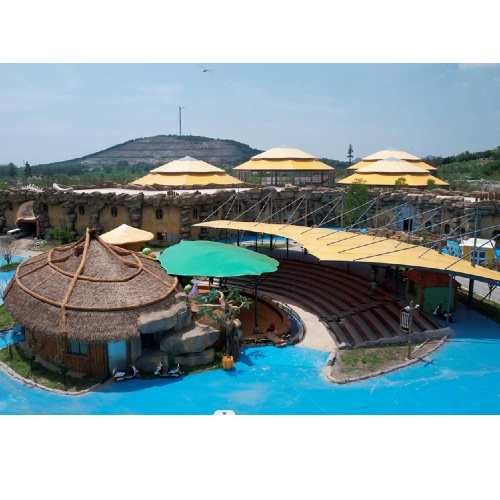
Corrosion Protection Methods for Steel Structures in Coastal Areas
Coatings and Paints for Corrosion Resistance
One of the most common and effective methods for protecting steel structures from corrosion is the application of protective coatings or paints. These coatings act as a barrier between the steel and the corrosive elements in the environment.
Coating/Method | Benefits |
Epoxy Coatings | Highly durable and resistant to moisture and salt. |
Polyurethane Coatings | Offers UV protection, weather resistance, and long-term durability. |
Galvanization | Zinc coating acts as a sacrificial layer that corrodes first, protecting the underlying steel. |
Epoxy Coatings: Epoxy-based coatings are highly effective at protecting steel from corrosion. They provide a tough, durable surface that prevents moisture and salt from coming into contact with the steel.
Polyurethane Coatings: Polyurethane coatings offer excellent resistance to environmental factors like UV radiation, salt, and humidity. They are often used in coastal areas to protect steel structures from corrosion and weathering.
Galvanization: Galvanization involves coating the steel with a layer of zinc. This sacrificial coating corrodes before the underlying steel, offering long-term protection against rust and corrosion.
The use of these coatings is essential for protecting Space Frames in coastal areas, ensuring that the steel components remain free from corrosion and maintain their strength and appearance.
Use of Stainless Steel and Other Corrosion-Resistant Materials
In addition to coatings, using stainless steel and other corrosion-resistant materials can significantly enhance the durability of Space Frames in coastal regions. Stainless steel is highly resistant to corrosion, particularly in environments with high salt content. Other materials, such as aluminum or galvanized steel, can also offer superior corrosion resistance compared to regular carbon steel.
Material | Corrosion Resistance |
Stainless Steel | Excellent resistance to rust, especially in salty air. |
Galvanized Steel | Zinc coating offers long-term protection against rust. |
Aluminum | Resistant to corrosion, lightweight, and durable. |
Stainless Steel: Stainless steel is an alloy that contains chromium, which forms a protective oxide layer that prevents rust from forming. This makes stainless steel a top choice for coastal construction, where exposure to saltwater and humidity is common.
Galvanized Steel: Galvanized steel is coated with a layer of zinc, which acts as a protective barrier against rust and corrosion. This material is commonly used in coastal environments due to its cost-effectiveness and durability.
Using corrosion-resistant materials for the construction of Space Frames ensures that these structures can withstand the harsh conditions of coastal areas without suffering from premature deterioration.
Cathodic Protection Systems
Cathodic protection is a technique used to prevent corrosion by making the steel structure the cathode of an electrochemical cell. This method involves applying an electrical current to the structure to counteract the corrosion process.
Cathodic Protection Method | How It Works |
Sacrificial Anode | A more reactive metal (e.g., zinc) corrodes first, protecting the steel. |
Impressed Current Systems | An external power source applies a current to prevent corrosion on the steel. |
Sacrificial Anode: In this system, a more reactive metal (such as zinc or magnesium) is attached to the steel structure. The anode corrodes instead of the steel, protecting the Space Frame from rust.
Impressed Current Systems: This system involves applying a continuous electrical current to the steel structure through an external power source, preventing corrosion by making the steel structure electrically negative.
Cathodic protection systems are highly effective for protecting steel structures in coastal environments, where corrosion risk is high due to saltwater exposure.
Regular Maintenance and Inspections
Corrosion protection is not a one-time process but requires ongoing maintenance and regular inspections. Over time, even the best protective coatings and materials may wear down, especially in the harsh conditions of coastal areas. Therefore, it is essential to:
Conduct Regular Inspections: Regularly inspect the Space Frame to check for signs of corrosion or damage. Early detection of rust or degradation allows for timely repairs before they cause significant issues.
Reapply Protective Coatings: Protective coatings may need to be reapplied over time, especially in high-exposure areas. Regular maintenance ensures that the Space Frame continues to receive the protection it needs.
Address Small Issues Before They Become Major Problems: Proactive maintenance can address small rust spots or areas of corrosion before they spread and compromise the integrity of the structure.
By maintaining regular inspections and upkeep, Space Frames can remain durable and corrosion-resistant for many years.
Integrating Corrosion Protection in Space Frame Design for Coastal Areas
Design Modifications for Enhanced Durability
Designing Space Frames specifically for coastal areas requires integrating corrosion protection measures into the design from the start. Some key design modifications include:
Choosing Corrosion-Resistant Materials: As mentioned earlier, using materials like stainless steel or galvanized steel for the frame ensures the structure is less prone to corrosion.
Optimizing Frame Design: Designing the Space Frame with fewer exposed steel surfaces can minimize the areas vulnerable to corrosion. Additionally, ensuring that joints and connections are well-protected can further reduce the risk of rust formation.
Incorporating Drainage Systems: Ensuring proper drainage to remove water and salt buildup from the frame can prevent moisture from sitting on the steel, reducing the chances of corrosion.
Planning for Long-Term Performance
Long-term performance is a critical consideration when designing Space Frames for coastal projects. By planning for corrosion protection from the beginning and integrating maintenance strategies into the design, the longevity of the Space Frame can be ensured. Building materials and coatings that offer the best corrosion resistance will increase the lifespan of the structure and reduce maintenance costs over time.
Conclusion
Corrosion protection is essential to ensure the longevity and durability of steel structures in coastal areas. Space Frames, with their lightweight, flexible, and robust design, are an ideal solution for large-span buildings in these environments. However, to fully harness their potential, it is crucial to implement effective corrosion protection measures.
At Jiangsu Lianfang Steel Structure Engineering Co., Ltd., we specialize in providing comprehensive corrosion protection for Space Frames. By utilizing high-quality protective coatings, corrosion-resistant materials, and advanced cathodic protection systems, we ensure that Space Frames can withstand the harsh effects of saltwater and humidity. Regular inspections and proactive maintenance further enhance the structural performance, extending its life.
With our expertise and commitment to durability, we help our clients design and build Space Frames that offer long-lasting safety, functionality, and aesthetic appeal in coastal regions. For more information on how we can assist you with corrosion-resistant Space Frame solutions, we invite you to get in touch with us. Let us help you create structures that remain strong and resilient, no matter the challenges of the coastal environment.
FAQ
1. Why is corrosion such a significant issue for steel structures in coastal areas?
Corrosion in coastal areas is accelerated by the high salt content in the air and water, which acts as a catalyst for rust formation. The constant exposure to moisture and salt makes steel particularly vulnerable to degradation.
2. How can Space Frames be protected from corrosion in coastal environments?
Space Frames can be protected through coatings, using corrosion-resistant materials like stainless steel or galvanized steel, and implementing cathodic protection systems. Regular inspections and maintenance are also essential to ensure continued protection.
3. What are the best corrosion protection methods for Space Frames in coastal areas?
The best methods include applying anti-corrosive coatings (such as epoxy or polyurethane), using stainless or galvanized steel, and incorporating cathodic protection systems like sacrificial anodes or impressed current systems.
4. How often should steel structures in coastal areas be inspected for corrosion?
Steel structures in coastal areas should be inspected at least once a year, especially after severe weather events. Regular inspections help detect early signs of corrosion and prevent larger issues from developing.


