Steel is one of the most widely used materials in modern construction, thanks to its strength, durability, and versatility. However, one of the major challenges associated with steel is its susceptibility to corrosion, particularly when exposed to moisture, chemicals, and other environmental factors. Corrosion can weaken steel structures, shorten their lifespan, and compromise their safety. To combat this, anti-corrosion coatings play a crucial role in protecting steel structures from environmental degradation.
Anti-corrosion coatings are applied to steel surfaces to create a barrier that prevents the metal from reacting with the surrounding environment. These coatings are critical in industries such as construction, manufacturing, oil and gas, and transportation, where steel structures are exposed to harsh conditions. This article will explore the various types of anti-corrosion coatings available for steel structures, their properties, and the applications in which they are most effective.
What is Corrosion and Why Does Steel Need Protection?
Corrosion is the process by which metal deteriorates due to chemical reactions with its environment. For steel, the most common form of corrosion is rust, which occurs when iron in the steel reacts with oxygen and water. Over time, this reaction weakens the material, leading to the formation of iron oxide (rust), which can compromise the integrity of the steel structure.
Steel structures exposed to water, salt, chemicals, or extreme weather conditions are particularly vulnerable to corrosion. For example, steel components in marine environments, chemical plants, or coastal areas are at a much higher risk of rusting. In such cases, anti-corrosion coatings are essential to protect the steel from environmental damage, maintain structural strength, and extend the lifespan of the materials.
Types of Anti-Corrosion Coatings for Steel Structures
Anti-corrosion coatings for steel structures come in a variety of forms, each designed to protect the steel in different environmental conditions. These coatings generally fall into the following categories:
1. Zinc-based Coatings (Galvanization)
Zinc-based coatings, also known as galvanization, are one of the most commonly used methods for protecting steel from corrosion. In this process, steel is coated with a layer of zinc through either hot-dip galvanizing or electro-galvanizing. The zinc acts as a sacrificial anode, meaning it corrodes before the underlying steel does, thereby protecting the steel surface.
Hot-Dip Galvanizing: In this process, the steel is dipped into a bath of molten zinc. The zinc bonds to the steel, creating a strong, protective layer. Hot-dip galvanized coatings are durable, long-lasting, and resistant to environmental factors like moisture, chemicals, and UV radiation. They are widely used in outdoor steel structures such as bridges, fences, and utility poles.
Electro-Galvanizing: In electro-galvanizing, zinc is deposited on the steel surface through an electrochemical process. While the coating is thinner compared to hot-dip galvanizing, electro-galvanized steel still provides effective corrosion resistance, especially in environments with lower exposure to harsh elements.
The main advantage of zinc coatings is their sacrificial protection, where the zinc corrodes before the steel, offering reliable and long-lasting protection against rust.
2. Epoxy Coatings
Epoxy coatings are widely used in industries where high durability and resistance to chemicals are required. These coatings are made from a mixture of epoxide resins and curing agents, which form a hard, durable, and chemically resistant surface once applied to the steel. Epoxy coatings provide excellent protection against corrosion, especially in environments where exposure to water, oils, and solvents is frequent.
Epoxy coatings are often used for steel surfaces in marine environments, chemical plants, and industrial facilities, where protection against aggressive chemicals and saltwater is crucial. The main advantages of epoxy coatings include:
Chemical Resistance: Epoxy coatings are highly resistant to a wide range of chemicals, making them ideal for environments with harsh substances like acids, alkalis, and oils.
Durability: Epoxy coatings form a thick, protective layer that is highly resistant to physical damage, abrasion, and wear, making them suitable for high-traffic areas.
Adhesion: Epoxy coatings provide excellent adhesion to steel surfaces, ensuring long-term protection against corrosion.
3. Polyurethane Coatings
Polyurethane coatings are known for their excellent abrasion resistance, UV stability, and color retention. These coatings are used in environments where steel structures are exposed to outdoor weathering conditions, including buildings, roofs, bridges, and industrial machinery.
Polyurethane coatings are often applied as a topcoat over epoxy primers to provide enhanced corrosion protection, UV resistance, and a smooth, aesthetically pleasing finish. These coatings form a durable, flexible surface that resists cracking and peeling, making them ideal for steel structures exposed to extreme temperatures and weather conditions.
Advantages:
UV Resistance: Polyurethane coatings resist degradation caused by sunlight, making them ideal for structures exposed to direct sunlight.
Aesthetic Appeal: These coatings are available in a wide range of colors and finishes, allowing designers to meet aesthetic and branding requirements.
Flexibility: Polyurethane coatings provide excellent flexibility, which helps prevent cracking or peeling due to structural movement or expansion.
4. Silicone-based Coatings
Silicone-based coatings are designed to provide high-temperature resistance and weatherproofing. These coatings are ideal for steel structures exposed to extreme temperatures, such as those found in furnaces, boilers, and heat exchangers. Silicone coatings are also used in marine environments and chemical processing plants where steel structures must withstand both high temperatures and corrosive conditions.
Silicone coatings have several key advantages:
High-Temperature Resistance: Silicone coatings can withstand continuous exposure to temperatures as high as 300°C to 600°C (572°F to 1,112°F), making them ideal for industrial applications that involve high heat.
Water and Weather Resistance: These coatings provide excellent resistance to moisture and harsh weather conditions, ensuring that steel structures are protected even in the most demanding environments.
5. Polyester Coatings
Polyester coatings are commonly used for general-purpose applications where aesthetic appeal, weather resistance, and cost-effectiveness are important factors. These coatings are applied to steel surfaces to provide a smooth, durable finish that resists fading, cracking, and corrosion. Polyester coatings are often used for roofing, wall cladding, and architectural features in commercial buildings.
Polyester coatings offer a good balance of performance and affordability, making them a popular choice in non-corrosive environments or applications where long-term, extreme durability is not as critical.
6. Fire-Resistant Coatings
In commercial and industrial settings, fire-resistant coatings are crucial for protecting steel structures from the damaging effects of heat and flames. These coatings are applied as a passive fire protection measure, helping steel structures to maintain their strength and integrity during a fire. Fire-resistant coatings typically expand when exposed to heat, forming a thick insulating layer that protects the steel underneath from high temperatures.
Fire-resistant coatings are widely used in the construction of high-rise buildings, factories, warehouses, and transportation systems to ensure the safety of the structure in case of a fire. They are especially important for steel structures that are essential for fire evacuation or safety, such as stairwells, bridges, and fire-resistant walls.
Choosing the Right Anti-Corrosion Coating for Your Steel Structure
When selecting an anti-corrosion coating for steel structures, several factors must be considered to ensure the protection and longevity of the material. These factors include:
1. Environmental Conditions
The environment in which the steel structure will be located plays a significant role in determining the appropriate coating. For example:
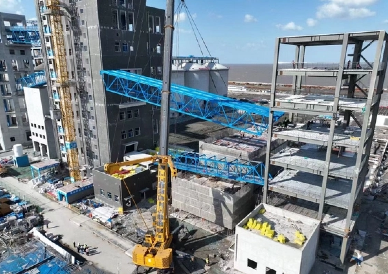
Marine Environments: In coastal or offshore locations, coatings like galvanization, epoxy, or polyurethane are ideal for protecting against saltwater corrosion.
High-Temperature Environments: For applications involving high heat, silicone or fire-resistant coatings are necessary to withstand extreme temperatures without degrading.
Chemical Exposure: Epoxy coatings are often chosen for environments where steel is exposed to acids, alkalis, or industrial chemicals.
2. Performance Requirements
The type of performance needed from the coating—whether it's high abrasion resistance, UV stability, flexibility, or ease of maintenance—will influence the choice of coating. For example, polyurethane coatings are ideal for areas exposed to UV light and weathering, while epoxy coatings offer superior chemical resistance.
3. Cost Considerations
While high-performance coatings such as epoxy and silicone offer superior protection, they may come at a higher cost. Polyester coatings, while still effective, are generally more affordable and suitable for less demanding environments.
4. Regulatory and Safety Standards
Certain industries require coatings that meet specific regulatory standards for corrosion resistance, fire safety, or environmental protection. Ensuring that the chosen coating complies with these standards is essential to avoid potential legal issues and ensure the safety and performance of the structure.
Conclusion
Anti-corrosion coatings are essential for the longevity and performance of steel structures. Whether you are protecting a bridge, a warehouse, an office building, or an industrial facility, choosing the right corrosion protection method is crucial to maintaining the structural integrity of your investment. The wide variety of coatings available—from zinc-based coatings and epoxies to polyurethane and fire-resistant options—ensures that there is a solution for every need, environment, and budget.
By selecting the right anti-corrosion coatings for your steel structures, you can prevent corrosion, extend the service life of your assets, reduce maintenance costs, and ensure the safety and performance of the structure. For those looking to ensure that their steel structures are built to last, working with experienced professionals who specialize in corrosion protection is key.
Jiangsu Lianfang Steel Structure Engineering Co., Ltd. is a leader in the field of steel structure engineering, offering expertise in designing, constructing, and protecting steel structures. With their experience in corrosion protection and commitment to quality, they provide durable and cost-effective solutions for a wide range of industries.


